Precision is a budget
Zoom levels, snap thresholds, nudge keys, drag handles that accelerate — every tool decides where your precision goes, and almost nobody writes that decision down. A year and a half of VR research made that trade impossible for me to unsee.
Precision is a budget, not a feature
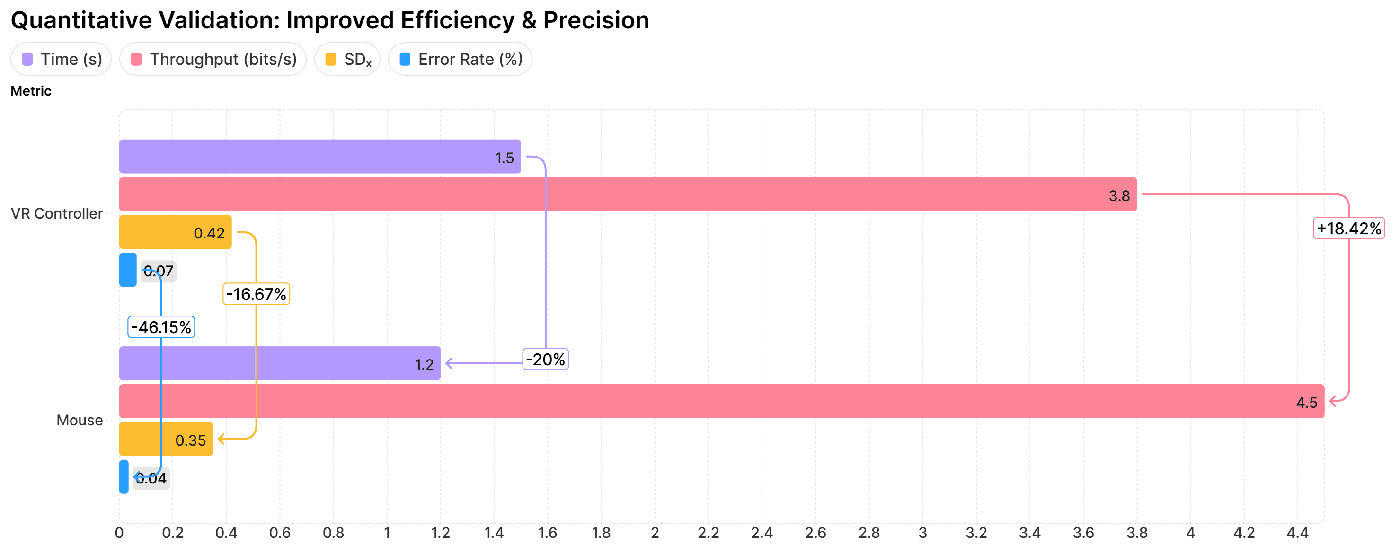
The core of my VR research was a trade every input technique has to make: how much of the user's physical motion maps to how much virtual motion. Tune the gain up and large moves get cheap while fine placement gets twitchy; tune it down and placement gets calm while crossing the scene becomes labour. There is no correct setting — only a budget, spent differently for different tasks.
Desktop tools make the same trade constantly; they're just quieter about it. Zoom level is control–display gain. Nudge keys, snap thresholds, drag handles that accelerate — each one is a decision about where the precision budget goes. At Zixel, watching engineers work on dense CAD drawings, the recurring failure wasn't a missing feature. It was interactions that spent the budget in the wrong place: pixel-precise input demanded where the task only needed "roughly here", and coarse input offered where a dimension had to land exactly.
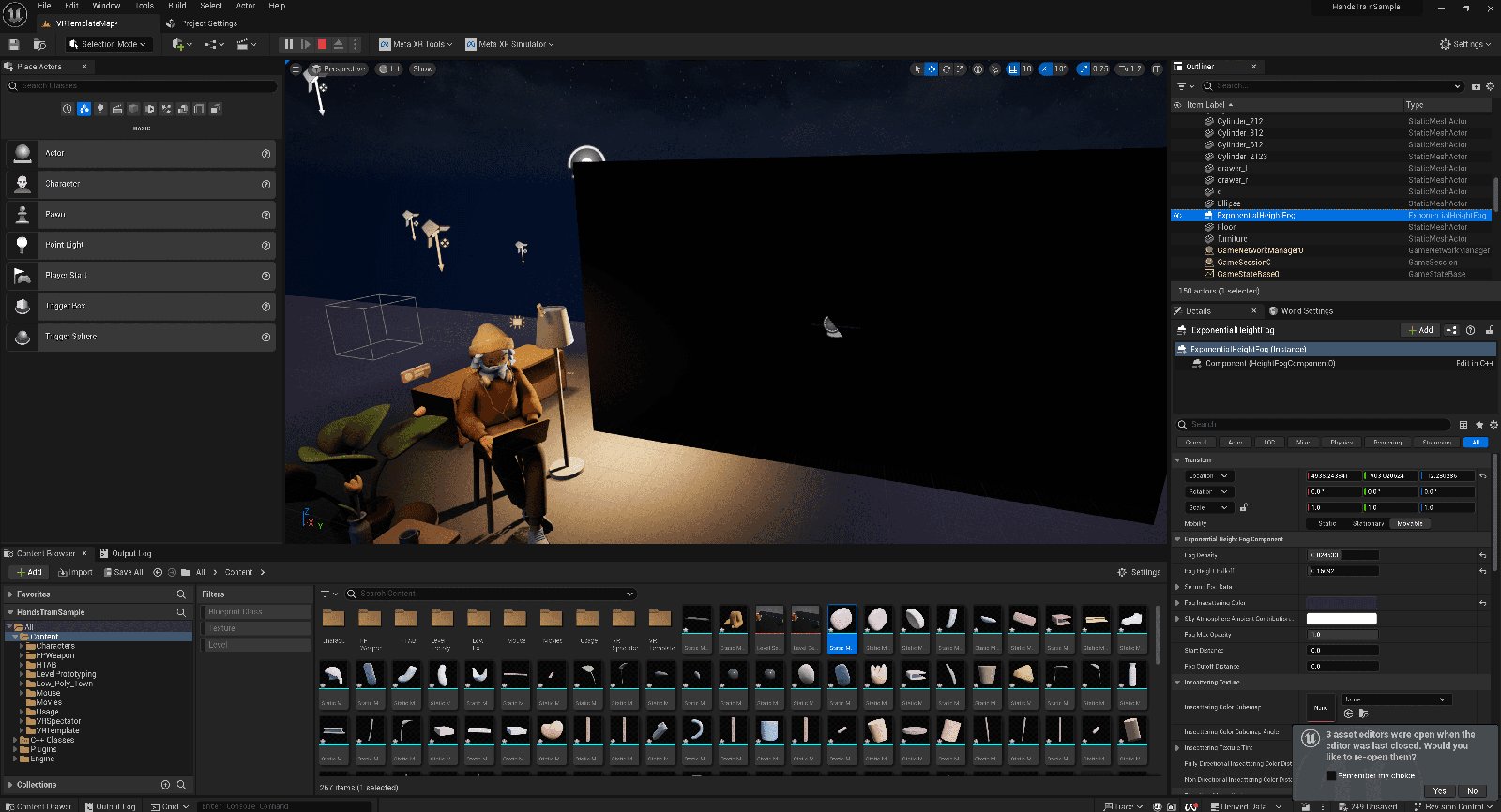
Every tool spends a precision budget. Most just never wrote it down.
Fatigue counts, even without arms in the air
In VR, fatigue is visceral: hold your arm out for a minute and the design flaw announces itself. Desktop fatigue is the same phenomenon stretched over hours and hidden in micro-corrections — the fourth adjustment to a drag that should have landed the first time, the re-zoom after every command. None of them shows up in a feature list. All of them show up in whether an expert can do this for eight hours.
The lab habit that transfers: count corrections, not clicks. A workflow with fewer steps that each need three tries is worse than a longer one that lands cleanly, and only one of those facts is visible in a click-path diagram.
Measure like a lab, ship like a startup
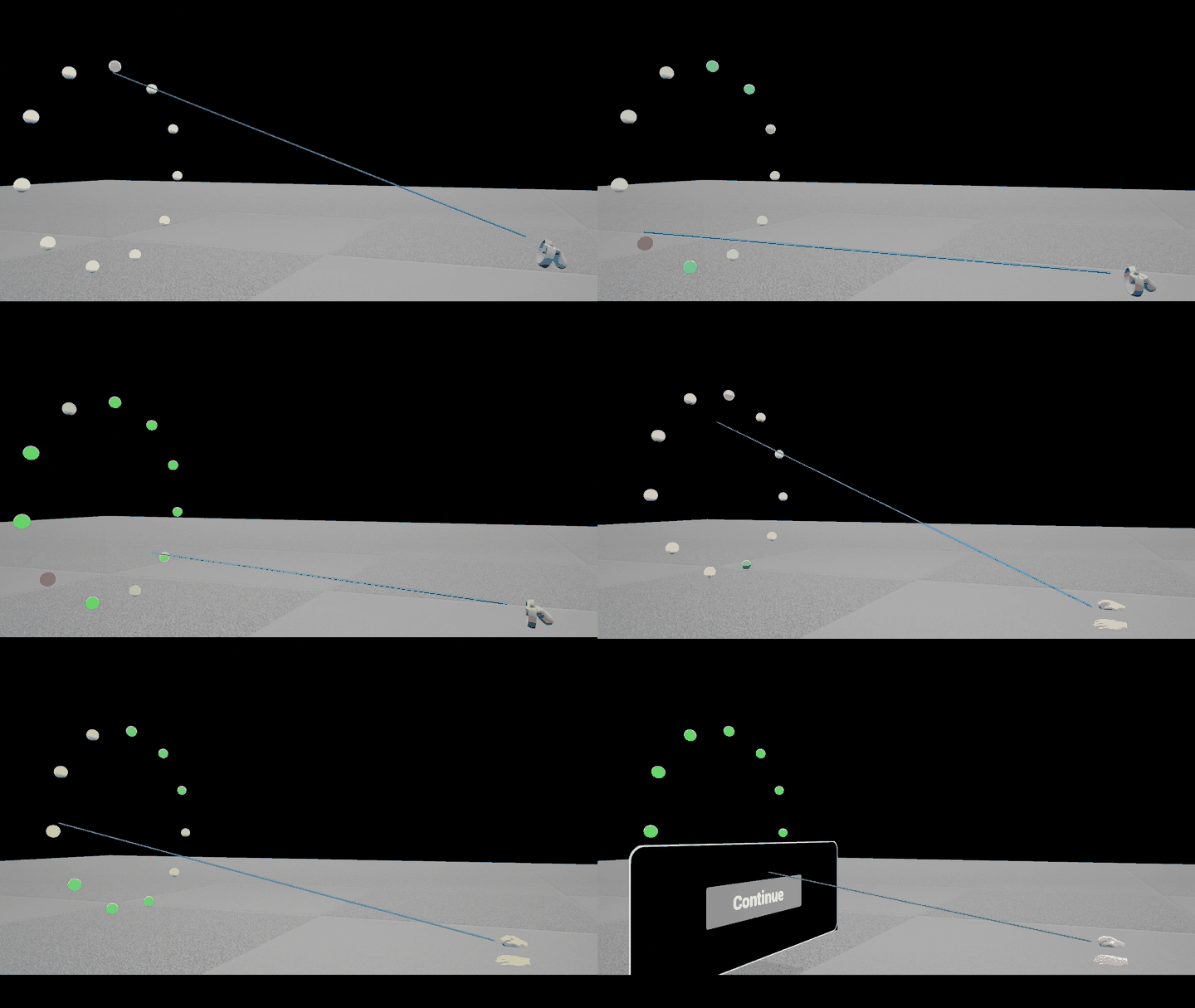
Running controlled studies teaches a discipline product work constantly tempts you to skip: define the task before you measure it, hold everything else still, and let the numbers disagree with you. The redesign results I've trusted since are the ones earned the same way a study result is — same tasks, same materials, measured before and after, on people who do the work for a living.
The transfer runs the other way too. Product work taught me what lab work rarely does: that the variable you controlled away — interruptions, deadlines, a manager watching — is sometimes the finding. The full study is written up in the Scaled Mouse case study →; where the CAD side of this thinking landed is in Zixel CAD workflows →.