Case study · Unity Technologies, Shanghai · Where it started
Digital marketing for Unity’s China market
Sixteen months with Unity's Shanghai team: 20+ localized campaigns for one of Unity's largest markets, and my first lesson in how design craft and growth data belong together.
 Unity Technologies, Shanghai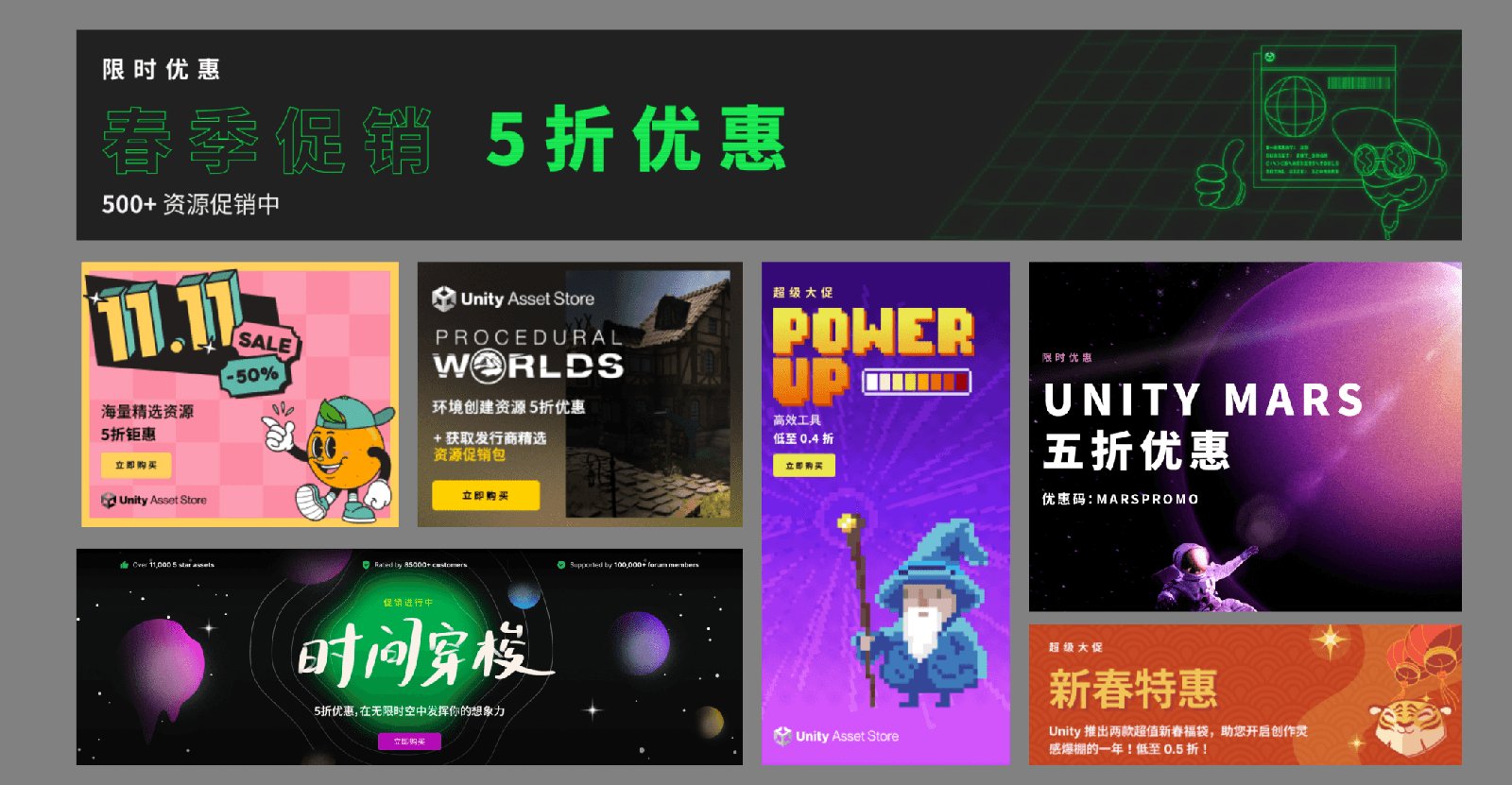
Context: a global brand, a local market
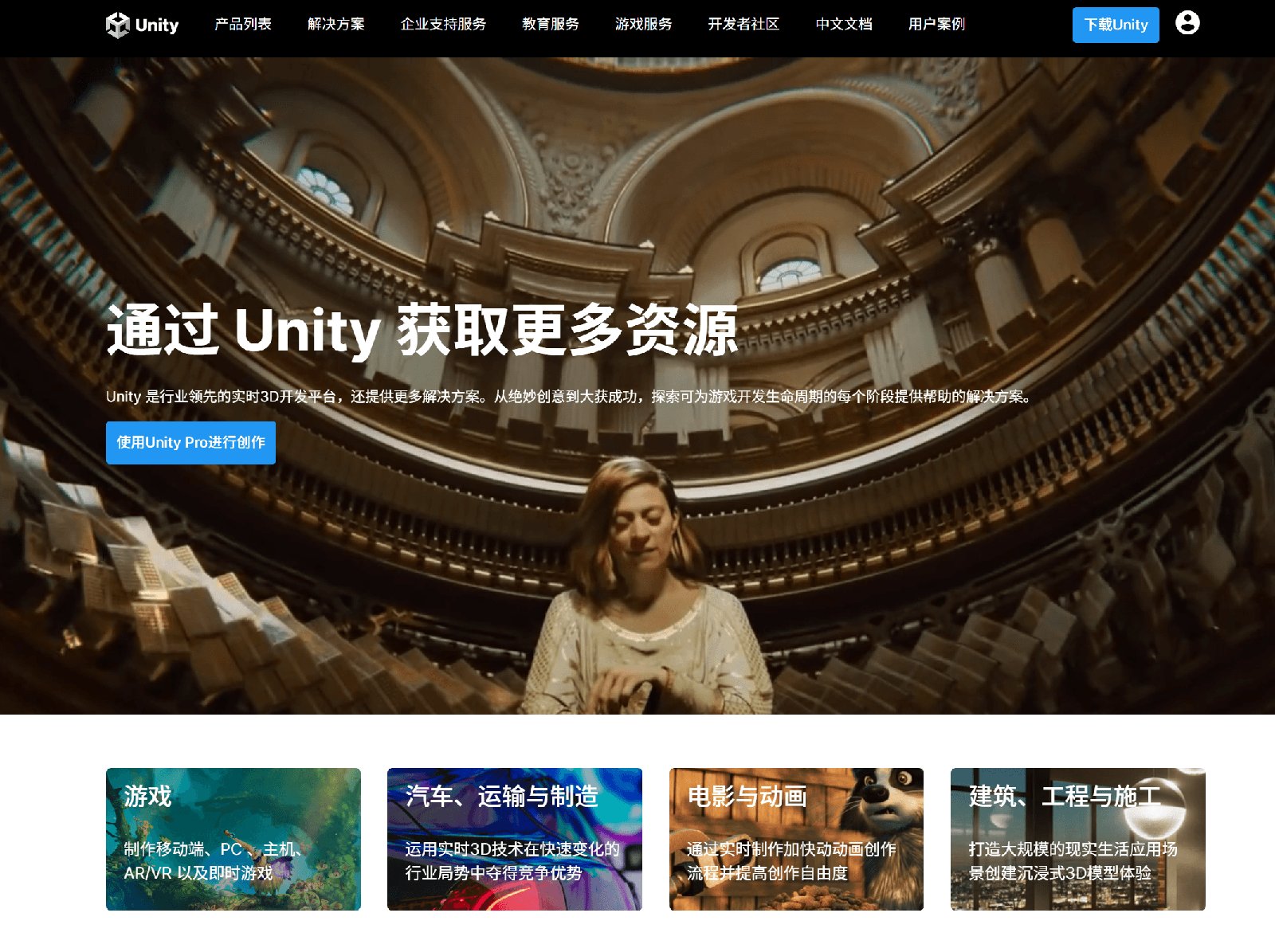
I joined Unity Technologies in Shanghai in April 2021 as a UX design and digital marketing intern on the Asset Store side of the business. China is one of Unity's largest markets, and the store is a direct line between Unity and the developers who build on it. My job sat in the gap between a global brand system and a local audience that reads, shops, and shares differently.
Localization design
I owned localization design for the Asset Store in China, adapting global campaign materials into more than 20 campaigns over the course of the internship. The discipline this built was constraint-handling.
Localization is not translation
Guidelines are a grammar
Make the case upward
Growth channels
Alongside the design work, I drove growth across SEO, SEM, social media, and developer community channels. Traffic and engagement data decided what we made next: which campaign formats earned attention, and which content the developer community actually shared.
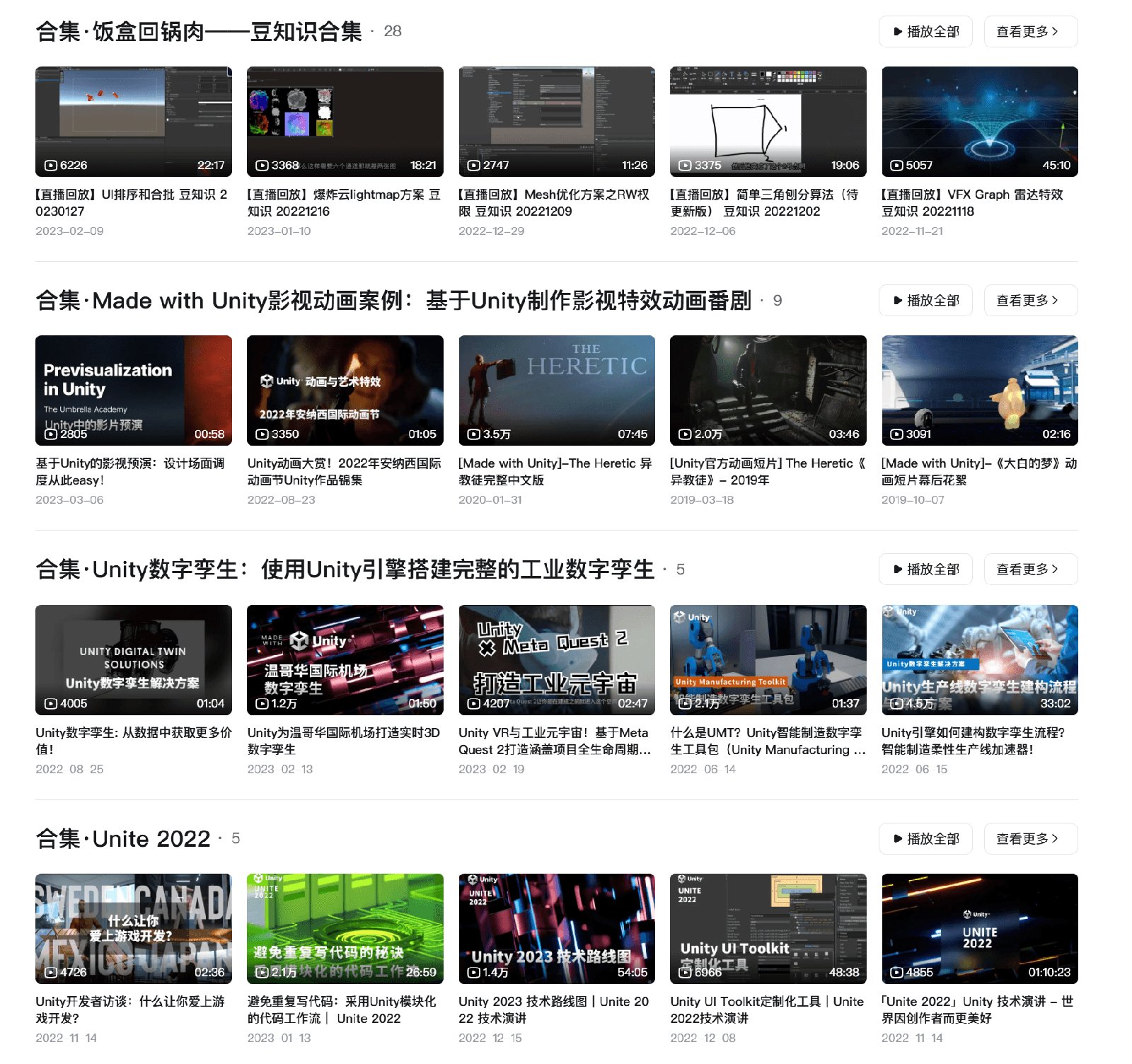
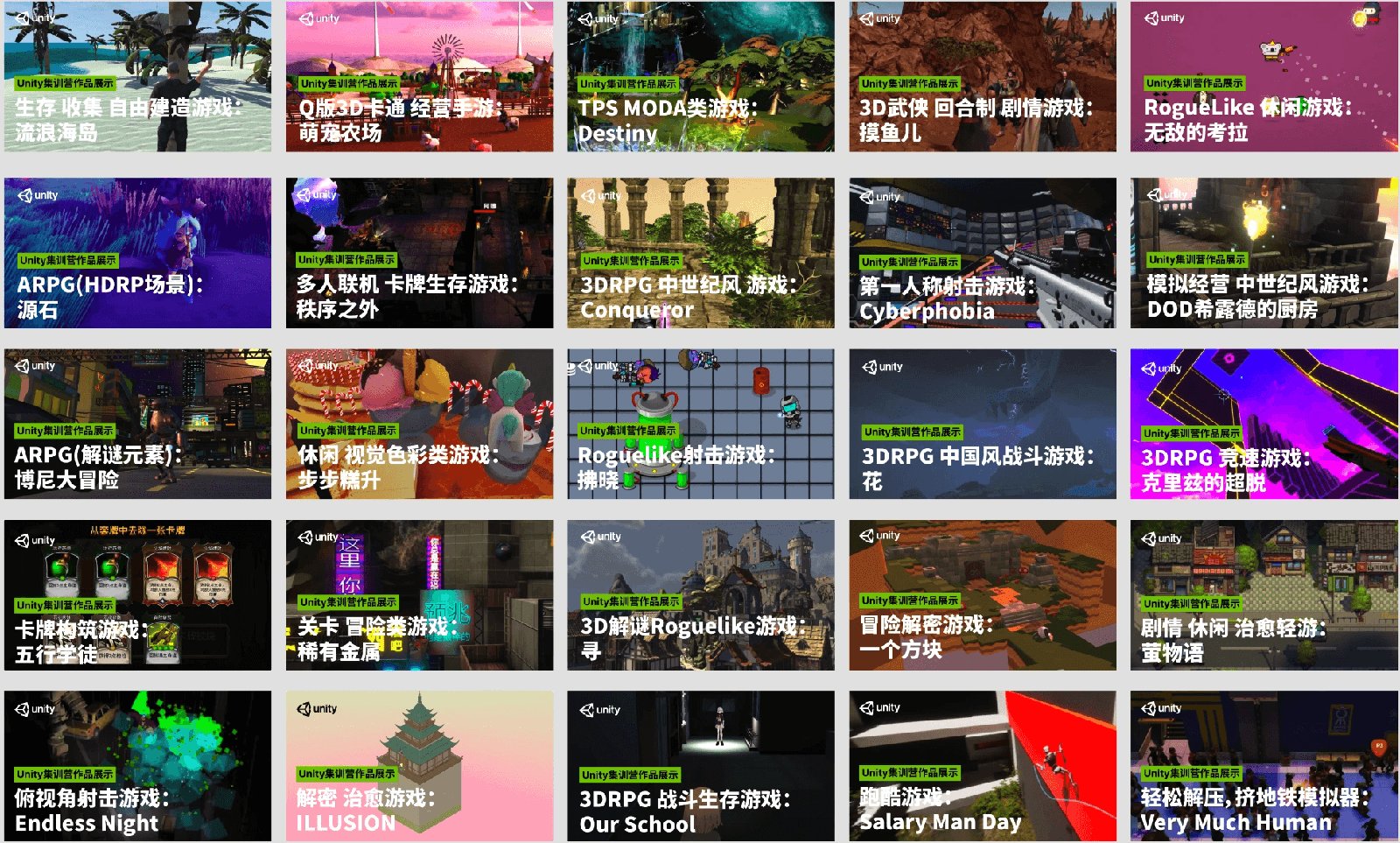
That changed how I design. When you watch a campaign's numbers the morning after it ships, you stop arguing taste in the abstract and start forming hypotheses you can check. Pairing craft with measurement became a habit, and it has followed me into every product I've built since.
Collaboration & ChinaJoy
Campaigns rarely stayed inside one team. I partnered with recruiting, technical art, and brand teams on co-branded videos and tutorials, which meant negotiating tone and ownership across groups with different goals.
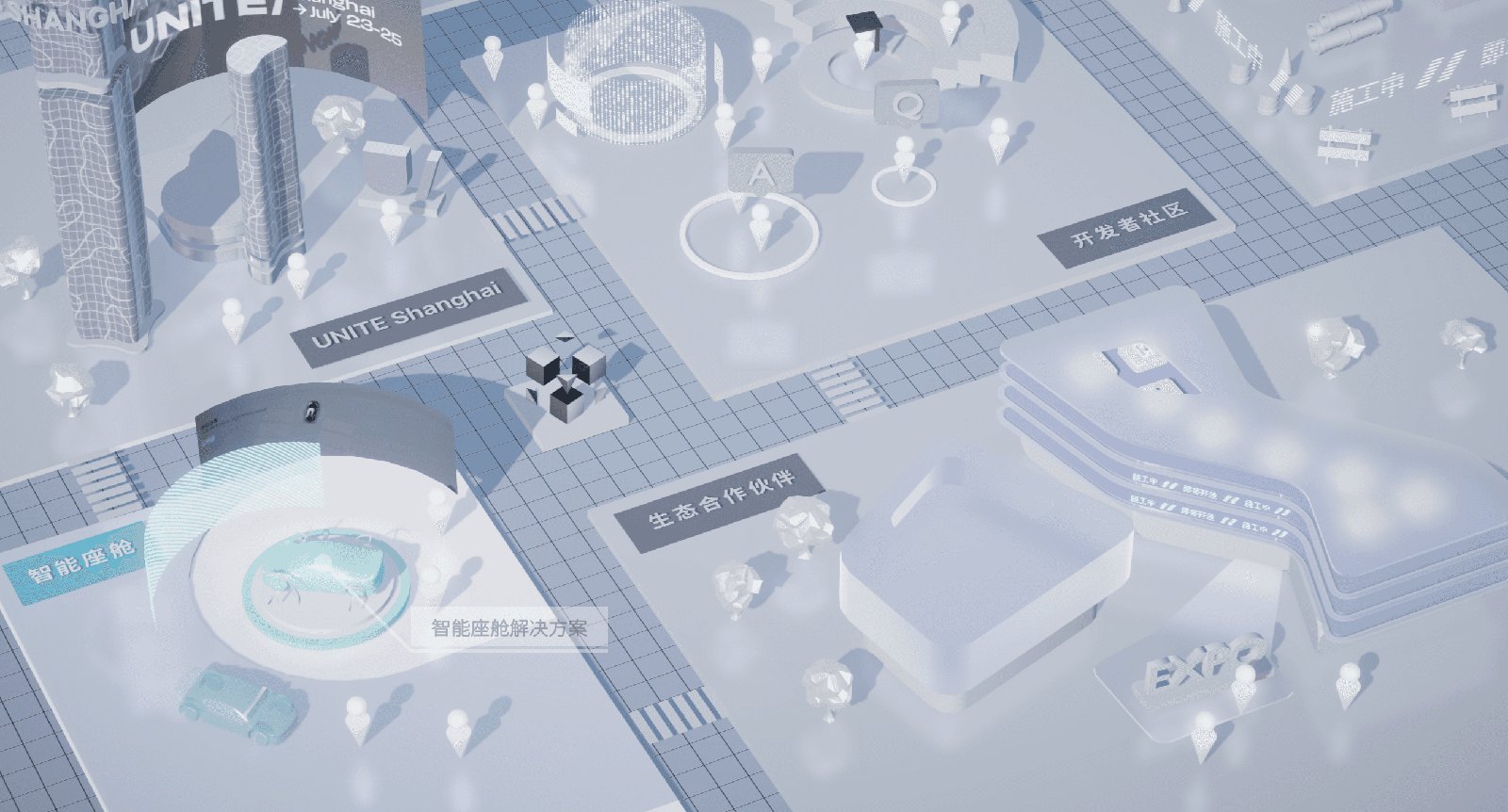
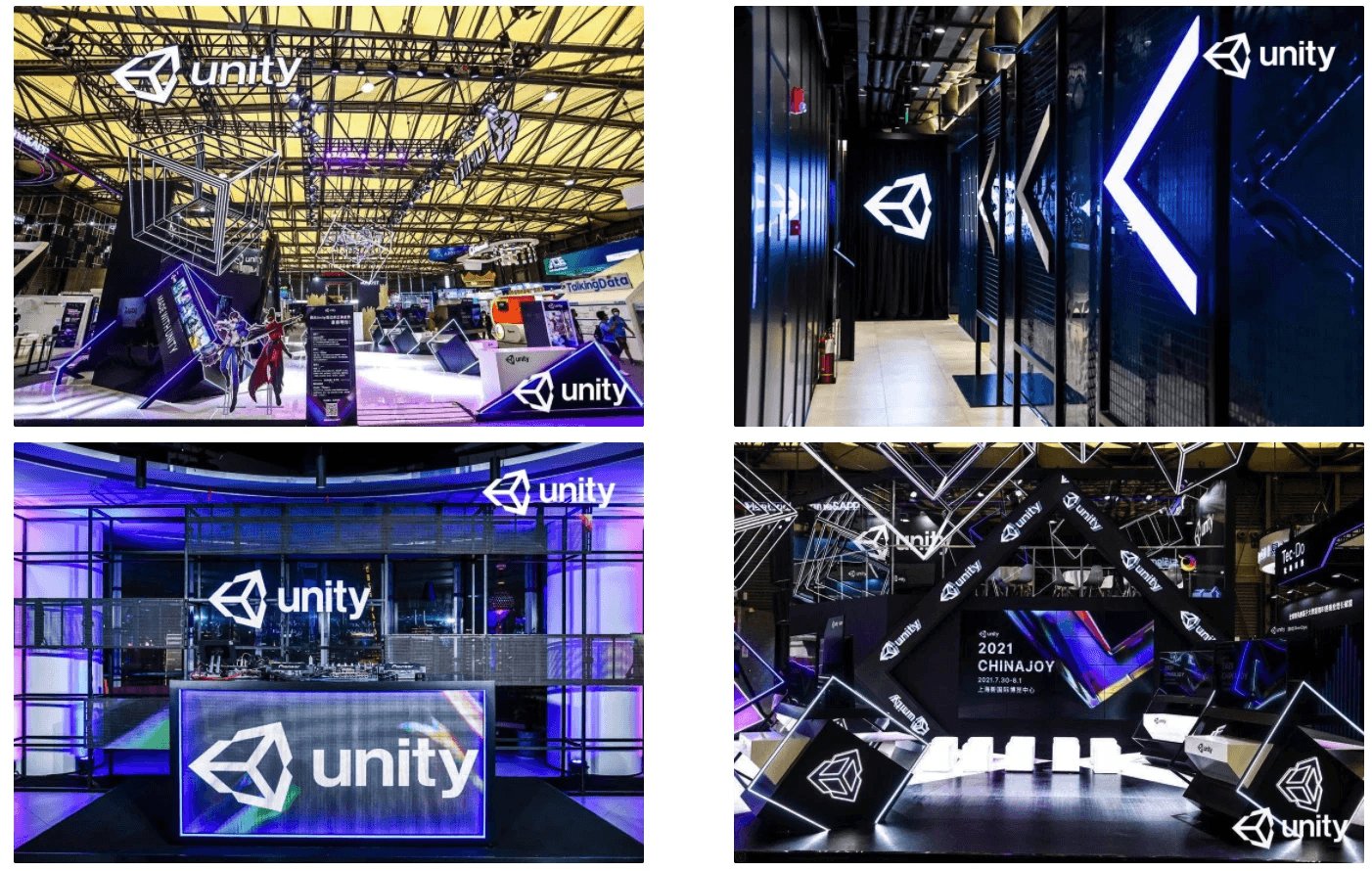
I also supported Unity's presence at ChinaJoy, Asia's largest gaming expo. Watching developers react to the work in person, at a booth instead of through an analytics panel, was the most direct user research I had done up to that point.
The internship in numbers
This was my first industry role, and I won't dress it up as more than an internship. It was, however, a sixteen-month one with real ownership, and it shaped how I think about design as part of a distribution system rather than a deliverable.
What stayed with me
The internship ended in August 2022, and it remains the foundation of how I work. It taught me that design lives inside a business context: a beautiful asset that no one finds hasn't done its job.
It also set the pattern I've kept ever since, which is owning a problem end to end rather than a slice of it. The scope was small compared to what I build now, but the shape of the work was already there: design, data, and shipping in one pair of hands.